


Pregnancy is an incredible journey marked by significant changes in a woman’s body. During this period, nutrition is incredibly important. Your diet significantly influences both your own well-being and the healthy growth of your baby. Knowing what makes up a balanced diet and making thoughtful choices can benefit both you and your little one.
The Foundation of Healthy Pregnancy Nutrition
1. Nutrient-Rich Foods

Including a variety of nutrient-rich foods in your meals is important. Lean proteins like poultry, fish, beans, and nuts provide essential amino acids for your body. Colourful fruits and vegetables offer vital vitamins, minerals, and antioxidants, while whole grains such as brown rice and quinoa supply fiber and complex carbohydrates.
2. Folic Acid and Iron

Folic acid aids in preventing birth defects, and iron supports the increased blood volume during pregnancy. Leafy greens, fortified cereals, and legumes are great suppliers of both.
3. Calcium

To help your baby’s bones and teeth grow, it’s important to include foods rich in calcium such as dairy products, fortified plant-based milk, and leafy greens in their diet.
4. Omega-3 Fatty Acids

These foods help nurture the baby’s brain and eyes. Salmon, chia seeds, walnuts, and flaxseeds are fantastic providers.
5. Hydration

Staying hydrated is key. Water helps in maintaining amniotic fluid levels, preventing constipation, and aiding in nutrient transportation.
Eating Well Throughout Pregnancy
1. First Trimester

During this time, focus on overcoming morning sickness by having small, frequent meals. Bland, easy-to-digest foods like crackers or ginger tea might alleviate nausea.
2. Second Trimester

As morning sickness tends to subside, it’s a good time to embrace a more balanced diet. Monitor weight gain and incorporate protein-rich snacks to keep energy levels steady.
3. Third Trimester
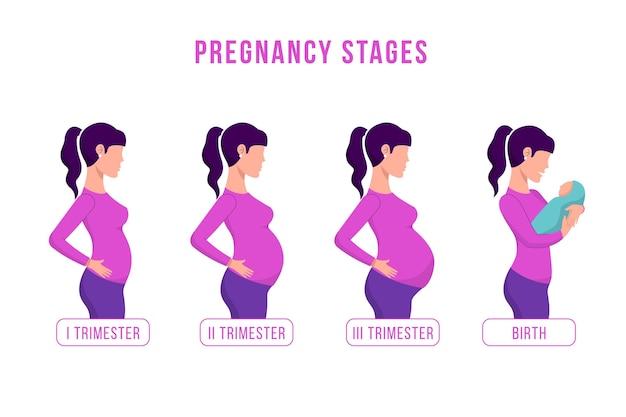
Your baby’s growth accelerates in this phase. Aim for smaller, frequent meals to ease digestion and prevent discomfort. Ensure adequate intake of calcium and iron for both you and your baby’s needs.
Foods to Avoid

Certain foods can pose risks during pregnancy:
Raw or Undercooked Meat: Might contain bacteria harmful to you and your baby.
Unpasteurised Dairy Products: Prone to containing harmful bacteria like listeria.
High-Mercury Fish: Large amounts of mercury can harm a baby’s developing nervous system.
Caffeine and Alcohol: Limit intake as excessive amounts can negatively impact the baby’s development.
Common Concerns and Solutions

1. Cravings
Cravings during pregnancy are common. While it’s okay to indulge occasionally, try healthier alternatives to satisfy these cravings. For instance, opt for dark chocolate instead of sugary treats.
2. Gestational Diabetes
Maintaining a balanced diet helps prevent gestational diabetes. Monitor sugar intake, focus on complex carbohydrates, and consult with a healthcare provider for guidance.
3. Weight Gain
Weight gain during pregnancy is natural, but it’s essential to monitor it. Aim for a steady, healthy weight gain under your healthcare provider’s guidance.
The Role of Supplements

Prenatal vitamins are recommended to complement a healthy diet. They ensure that you’re meeting the increased nutritional needs during pregnancy, especially for folic acid, iron, and calcium.
Consulting a Healthcare Provider
Each pregnancy is unique. Consulting a healthcare provider or a registered dietitian is crucial to tailor nutrition advice to your specific needs and circumstances. They can offer personalised recommendations, considering any existing health conditions or dietary restrictions.
In Conclusion
Eating well during pregnancy is about nourishing both yourself and your growing baby. It’s not just about quantity but the quality of nutrients you consume. A balanced diet, adequate hydration, and mindful choices form the cornerstone of healthy pregnancy nutrition. Prioritize wholesome, nutrient-rich foods, be mindful of what to avoid, and seek professional guidance for a personalized approach. Remember, taking care of yourself means taking care of your baby too.