


“Do you remember hearing phrases like “Come inside or you’ll catch pneumonia!” during your childhood? Perhaps your parents or grandparents would yell this as a way to get you to come in from the cold or rain. But what is pneumonia exactly? And can cold, wet weather make you sick? Furthermore, what are the symptoms of pneumonia and how can you tell if you have it?
Below, we answer all these questions and more.
- What pneumonia is
- Types and causes of pneumonia
- Symptoms of pneumonia
- Diagnosing pneumonia
- Pneumonia prevention
- Pneumonia treatment
What is pneumonia exactly?

Pneumonia is a lung infection that is quite common. It causes inflammation in the air sacs of one or both of your lungs. As a result, the air sacs can fill up with fluid or mucus, leading to symptoms such as chest pain, difficulty breathing, fever, and cough (often with phlegm).
Symptoms of pneumonia can vary from being mildly uncomfortable to severe, occasionally necessitating hospitalization. How your body responds to the infection depends on factors such as your age, overall health, the strength of your immune system, and the specific type of germ that caused the pneumonia.
Types and causes of pneumonia

The types of pneumonia are categorized based on what caused it, and there are more than 30 causes of pneumonia. Pneumonia can also be differentiated by how long you’ve been sick and how many cases of pneumonia you’ve had in a certain period.
Viral pneumonia
Viral pneumonia is caused by a virus and is more common in children and seniors. Generally, it is not severe, but there are cases where it can become serious. The best treatments are rest and staying hydrated. In some instances, antibiotics might be prescribed to prevent bacterial infections that could develop as a result. To alleviate symptoms such as fever, body aches, and chest pain, doctors can suggest over-the-counter medications. It’s worth noting that pneumonia can be caused by various viruses, including the common cold, influenza, and COVID-19, with the last one being particularly concerning.
Bacterial pneumonia
Bacterial pneumonia is the most common and severe type of pneumonia. It occurs when you inhale bacteria, and its likelihood increases after having a cold or the flu since your immune system is weakened during illness. Additionally, having health conditions such as cancer, diabetes, or asthma can also increase the susceptibility to catching bacterial pneumonia.
Doctors usually treat bacterial pneumonia using antibiotics. These medications are designed to specifically attack and eliminate the particular type of bacteria responsible for the infection. In addition, doctors may also recommend medications to assist with breathing or over-the-counter remedies to alleviate accompanying symptoms such as fever and chest pain.
Aspiration pneumonia
Aspiration pneumonia occurs when liquids or solids (such as food, drink, vomit, or saliva) are unintentionally inhaled into the lungs instead of being swallowed or expelled. This inhalation leads to inflammation and infection in the lungs. Cognitive impairment, resulting from conditions such as traumatic brain injury, disability, or substance use disorder, often increases the risk of this type of pneumonia. Additionally, elderly individuals and those with health conditions that affect swallowing, such as stroke, are also susceptible to aspiration pneumonia.
Fungal pneumonia
Fungal pneumonia is a type of pneumonia that is rare but often serious. It occurs when you inhale the spores of certain fungus species, which are mainly found in the soil but can also be present in indoor and outdoor environments such as hospitals. These spores then lead to a fungal infection in your lungs. To provide you with the appropriate antifungal treatment, your doctor will need to identify where you acquired the fungus that caused your illness. Different regions in the U.S. house different species of fungus, each requiring a specific treatment.
Chronic and recurrent pneumonia
Any type of pneumonia can be chronic or recurrent depending on its duration and frequency. Chronic pneumonia refers to when symptoms persist for more than six weeks. Recurrent pneumonia is defined as having two cases in one year or experiencing pneumonia more than three times throughout your lifetime.
Most types of pneumonia are contagious, but not all
Both viral and bacterial pneumonia are contagious because the virus or bacteria can spread from person to person, making them infectious diseases. Just like the flu, pneumonia germs can be passed through uncovered coughs and sneezes, touching contaminated surfaces, sharing drinks or utensils, and not practicing proper handwashing.
Not all types of pneumonia spread as easily. For instance, fungal pneumonia is transmitted when people inhale fungal spores from the environment, but it does not pass between individuals. Moreover, even among the pneumonia types that can be contagious among people, transmission is not always guaranteed. Our unique immune systems mean that a germ capable of making one person sick may not have the same impact on someone else.
Symptoms of pneumonia

Your pneumonia symptoms can depend on the type of pneumonia you have, with bacterial pneumonia bringing on the most serious symptoms. Pneumonia symptoms can range from mild to severe and may include:
- Rapid heartbeat and shortness of breath
- Coughing, often clearing yellow or green mucus from the lungs
- Feeling weak or overly tired
- Fever accompanied by chills, shaking, and sweating
- Sharp, stabbing chest pain, especially when breathing in or coughing
- Nausea and/or vomiting, commonly seen in infants or young children
- Confusion, especially among people older than 65
- Diarrhea
Can you really “catch pneumonia” from cold or wet conditions?
No, viruses and bacteria are the main cause. However, it is worth noting that certain forms of environmental stress may have a weakening effect on our immune systems.
Studies indicate that cold temperatures can negatively impact the body’s immune response against diseases. Moreover, inhaling cold air leads to the constriction of blood vessels in our upper respiratory tract as a means to retain heat. Consequently, this may hinder white blood cells’ ability to effectively reach the mucous membrane and combat germs.
So, can your children play outside during a snowstorm and get wet in the spring puddles? Well, maybe you can fall back on a well-known saying that has been passed down through generations: Everything in moderation.

Diagnosing pneumonia
If you believe you have pneumonia, schedule an appointment with your primary care doctor. Alternatively, you can go to Acme Medical Centre if necessary. Since there are numerous types of pneumonia and the symptoms can differ significantly from person to person, your doctor needs to conduct a comprehensive diagnosis. In diagnosing pneumonia, your doctor will consider three main factors.
Medical history
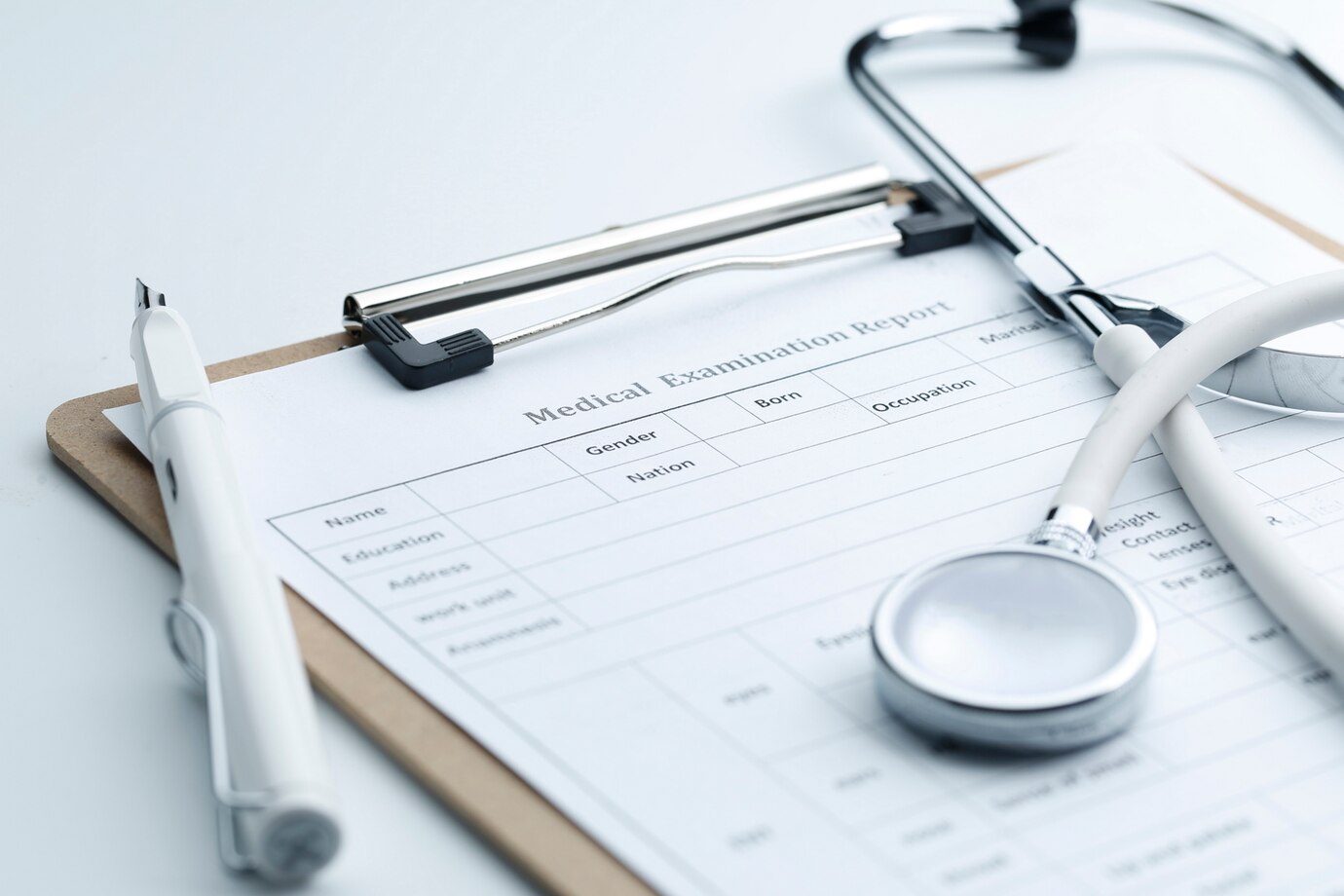
To determine where and why you got pneumonia and whether it’s viral, bacterial or fungal, your doctor will ask you questions about:
- Your job
- Recent or chronic illnesses, and whether you were hospitalized
- Recent trips you took both inside and outside the U.S.
- Recent contact with anyone who seemed sick
- Recent exposure to animals, especially birds
Physical exam

Your doctor will perform a physical exam during the diagnostic process for pneumonia. They’ll listen to your lungs with a stethoscope and, if you have pneumonia, they might hear crackling, bubbling, or rumbling sounds as you inhale. They will also check for a blue tint to your lips or fingernail beds, which tells them you’re not getting enough oxygen.
Diagnostic testing

Your doctor may conduct the following tests to determine whether you have pneumonia, as well as the type and severity:
- Chest X-ray – If you have pneumonia, a chest X-ray will show the area and pattern of inflammation and infection in your lungs.
- Blood test – Your doctor may order one or more blood tests to gather more information about your type of pneumonia.
- Blood oxygen measurements – Pneumonia prevents oxygen from spreading throughout your body by way of your blood. Using a small device called a pulse oximeter clipped to your finger, your doctor can measure the level of oxygen in your blood.
- Sputum test – If you’ve been coughing up mucus, your doctor may take a sample for testing.
Ways to prevent pneumonia
The best way to prevent pneumonia is to build up strong immune defenses and practice good hygiene.
- Strengthen your immune system – Fortify your immune system by getting enough sleep, eating a healthy diet, and exercising regularly.
- Get vaccinated – Pneumococcal vaccines are available to offer protection from many types of bacterial pneumonia, as well as meningitis and sepsis. However, this vaccine can’t prevent other types of pneumonia. Consult your doctor or your child’s pediatrician for information on the best vaccine and the best timing for you and your family. Make sure to get your flu shot every year, as the flu can be a common cause of pneumonia.
- Don’t smoke – Smoking harms your lungs and hinders your immune system’s ability to fight respiratory infections.
- Practice good hygiene – If you’re feeling sick, stay home. Cover coughs and sneezes with your elbow, and avoid touching your face as much as possible. Wash your hands regularly with soap and water, or use an alcohol-based hand sanitizer if water is not available. If someone in your home has just recovered from pneumonia, give common areas like the bathroom and kitchen a deep, disinfecting clean.
Pneumonia treatment and when to get immediate medical attention

If you have pneumonia, your doctor may send you home with a prescription for antibiotics and instructions to aid in your recovery, like getting plenty of rest, drinking fluids, and taking over-the-counter pain relievers and fever reducers. Don’t take cough suppressants, as coughing helps empty your lungs of fluid and mucus.
Most people get better from pneumonia in about 2-4 weeks. However, certain people are more susceptible to becoming seriously ill. The following groups have the most risk of catching pneumonia and may require more intensive pneumonia treatment at the hospital:
- People over 65
- Children under 2
- Pregnant women
- Smokers
- People with underlying health conditions, like asthma, diabetes, lung disease or heart disease
- People with weakened immune systems, including those with an autoimmune disease, HIV/AIDS or people undergoing chemotherapy
If you’ve been recovering at home, call your doctor right away or visit Acme Medical Centre if you have:
- Some difficulty breathing
- A persistent fever of 102 degrees Fahrenheit (39 degrees Celsius) or higher
- Severe chest or stomach pain
- An ongoing cough, especially if you start coughing up bloody mucus
- Symptoms that haven’t improved after 2-3 days of taking antibiotics
- Worsening symptoms
Head to the emergency room or call 911 right away if someone with pneumonia is:
- So short of breath that they’re gasping and can’t speak
- Suddenly confused and disoriented
- Exhibiting blue-tinged lips, tongue, fingers, or other areas of skin
Stay well in any weather
Though pneumonia is often associated with fall and winter, it can also strike in the summer months. That’s why it’s important to practice pneumonia prevention year-round: wash your hands frequently, stay up to date on your vaccinations and the yearly flu shot, and keep your immune system strong with a healthy diet and regular exercise. But if you find yourself or a family member coming down with pneumonia, we’re here to help.